 FinOps
We Just Shipped 27 More Ways to Find Cloud Waste
Fintropy's rule count just crossed 497, up from 470 in May - here's what the new 27 rules check for, and why we built them.
4 min read
Tag
All Nuvika Blog posts tagged “GCP”.
FinOps
Fintropy's rule count just crossed 497, up from 470 in May - here's what the new 27 rules check for, and why we built them.
 Cloud-Cost-Optimization
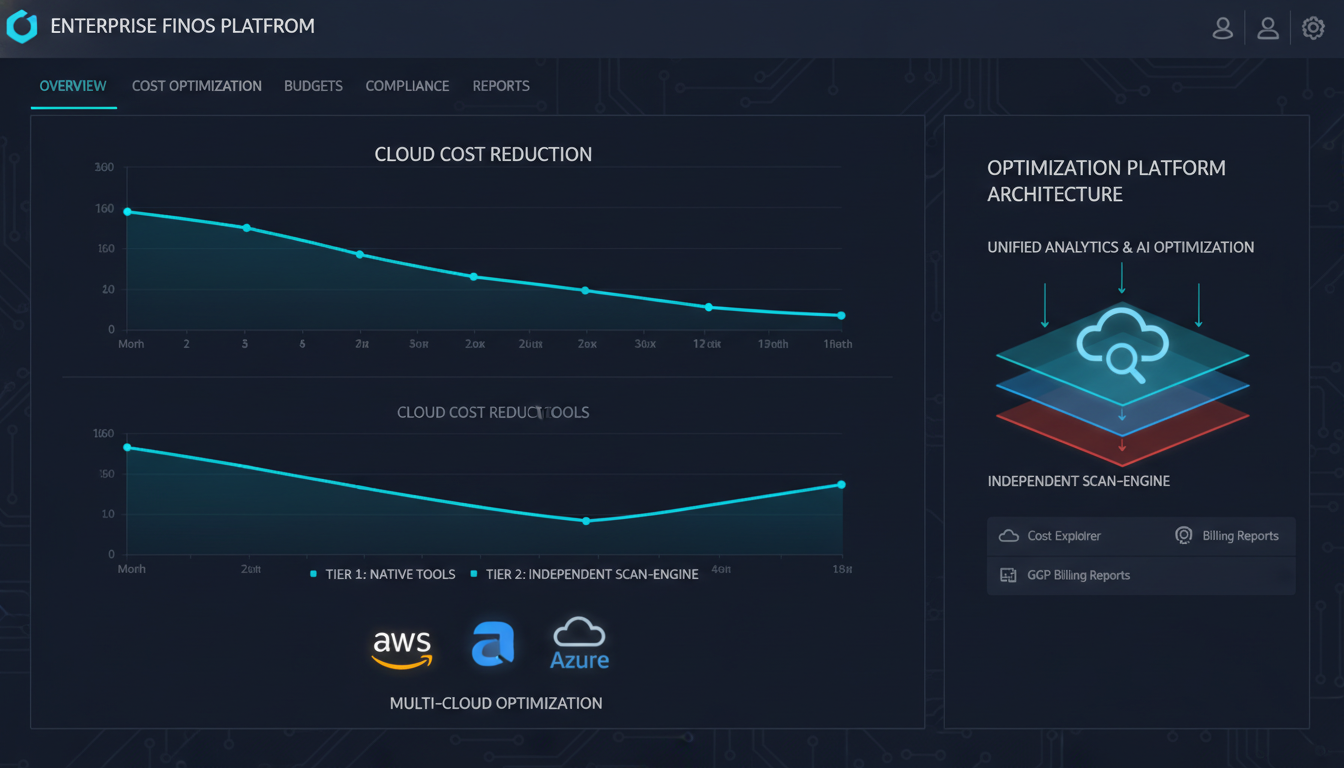
For enterprises spending $1M+ annually on cloud, native tools cover 20-30% of savings. A practical comparison of independent FinOps platforms, what each tier covers, and whether it is worth the investment.
 Cloud-Migration
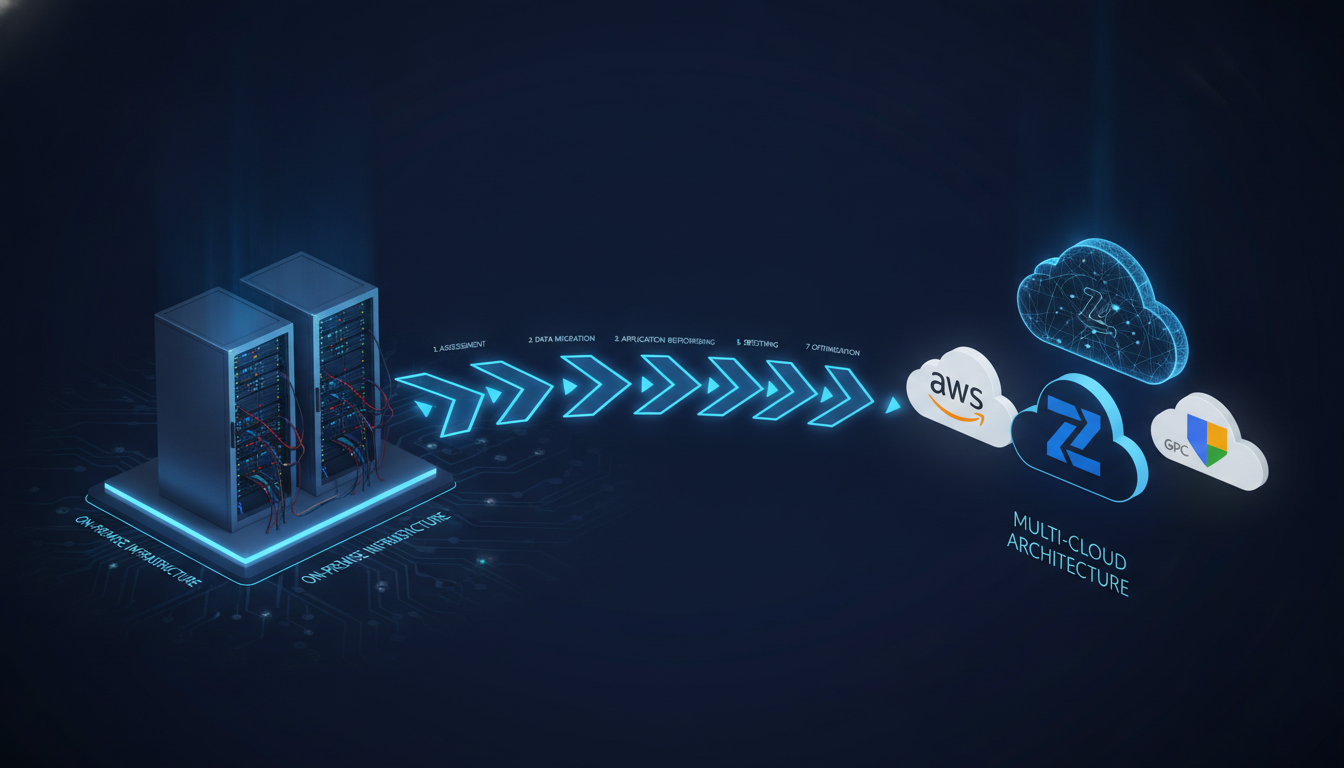
A practical 7-step framework for migrating enterprise workloads to AWS, Azure, or GCP - dependency mapping, 7Rs classification, pre-migration TCO modeling, FinOps-first deployment, and post-migration validation.
 SLA
SLA
What AWS, Azure, and GCP actually promise in their SLAs, what they owe you when they miss those promises, and the per-provider claim process with deadlines.
 FinOps
Native cost tools catch the obvious 30-40% - but six structural gaps leave the rest of the savings hidden. A detailed comparison and a layered model that works.
 FinOps
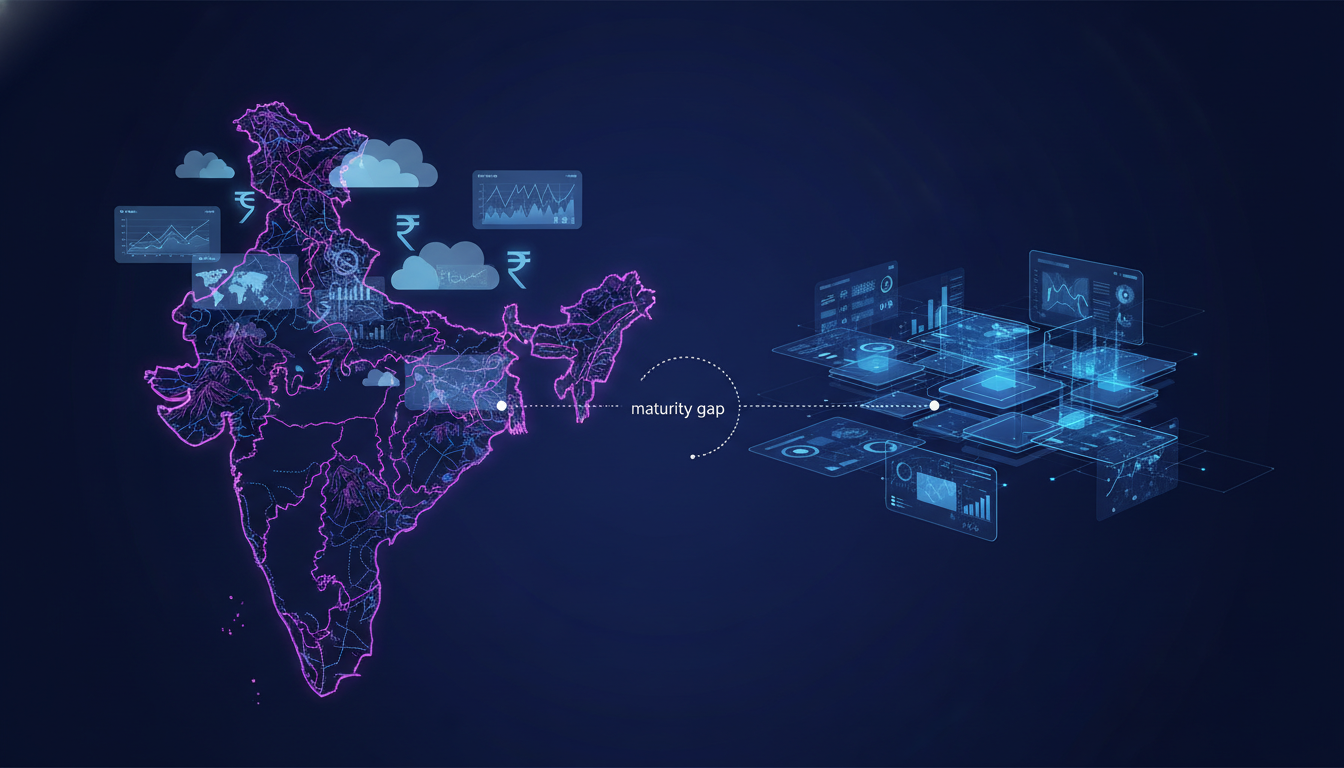
Indian companies are 3-5 years behind on FinOps maturity - and the gap is costing crores every year. Why it exists, why it hits India differently, and what to do.
 FinOps
A category-by-category breakdown of where cloud spend actually leaks - across AWS, Azure, GCP, Kubernetes, and VMware - derived from Fintropy's 470+ cost rules.
 FinOps
Five questions every CTO and cloud team should ask about SLA credits, cost anomalies, and billing accuracy - with specific things to look for in AWS, Azure, and GCP.
 Engineering
A technical founder's honest account of shipping a complex multi-provider feature: what we designed, what we got wrong in code review, and what we'd do differently.