AWS
AWS, Azure, and GCP All Speak Different Dialects. We Built a Translator.
How Fintropy normalises claim status vocabularies across three cloud providers — and why getting this wrong silently marks approved credits as denied.
More posts on cloud cost optimization, FinOps, and engineering.
AWS
How Fintropy normalises claim status vocabularies across three cloud providers — and why getting this wrong silently marks approved credits as denied.
SLA
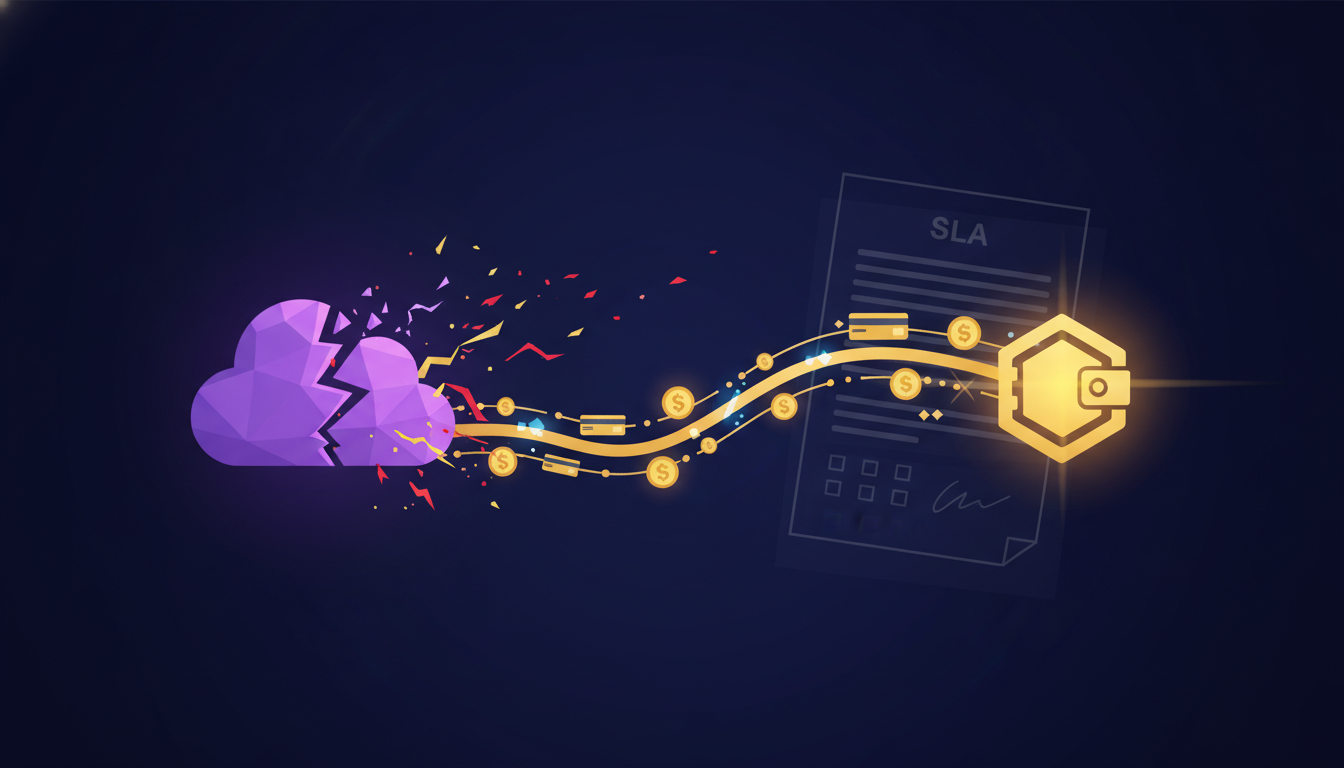
How Fintropy detects SLA breaches, quantifies their credit value, files claims automatically, and tracks approval — across AWS, Azure, and GCP.
Multi-Cloud
The architecture behind Fintropy's tri-cloud deployment: Dev on GCP, QA on Azure, Prod on AWS — and why each environment intentionally lives on a different cloud provider.
Fastapi
Why Fintropy chose FastAPI over Django for its 84-endpoint backend, and the honest cost of that decision a year and a half in.
Postgresql
Why Fintropy chose PostgreSQL Row-Level Security over separate schemas or databases for multi-tenancy, and what it actually costs.
Cloud-Architecture
How Fintropy switched from Kubernetes to Cloud Run, what we gained, and the cold-start SIGTERM problem nobody warned us about.
FinOps
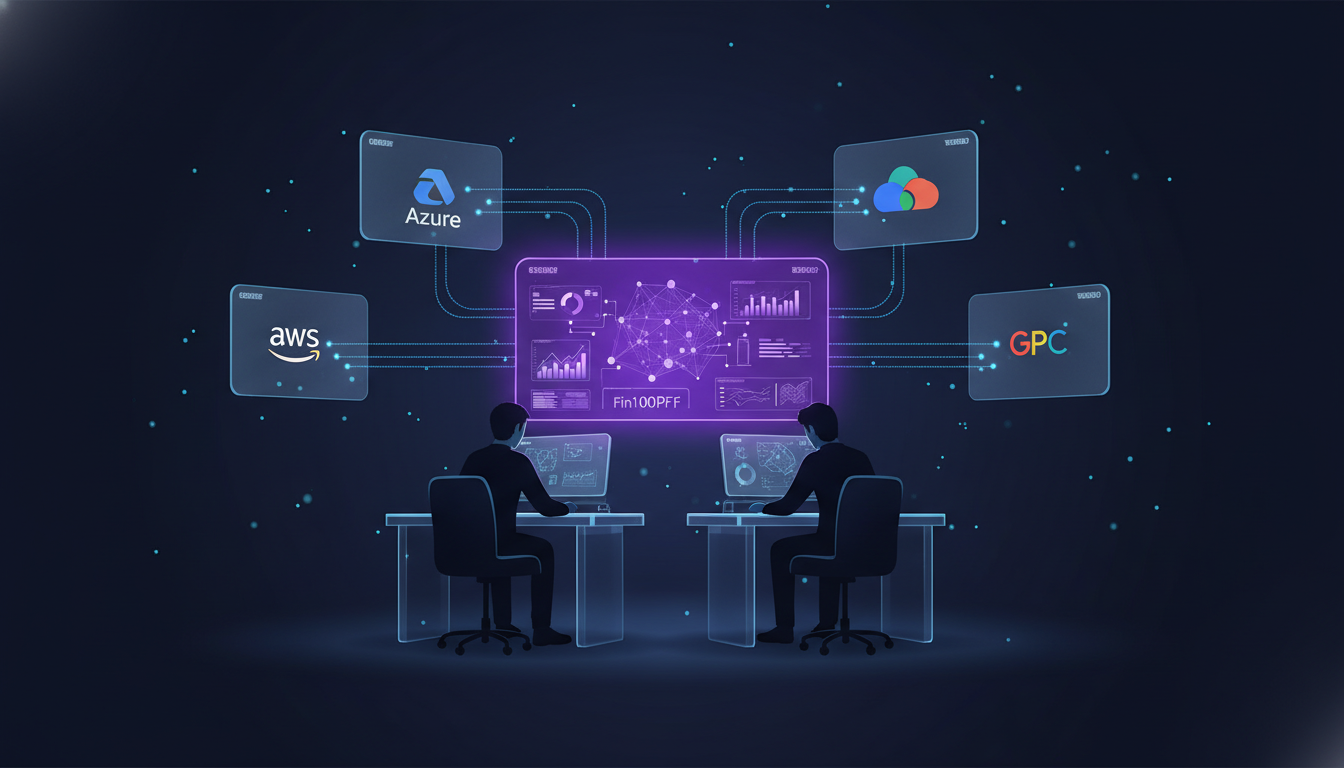
Cloud cost optimization tools give you perfect visibility into waste. They can't tell you what to do about it. Why a $180K platform missed 40-60% of recoverable waste, and the human-judgment layer that turns recommendations into realized savings.
SLA
When AWS, Azure, or GCP go down, you're still paying for infrastructure that didn't serve a single request. 85% of affected companies never file SLA claims. Here's how the other 15% recover the credits.
AI
Excellence in machine learning doesn't correlate with efficiency in infrastructure — usually the opposite. The AI cost paradox in real numbers, plus seven concrete optimization strategies that don't sacrifice model accuracy.